Muscle Cars Part 2: Unleashing Retro Power in Design
Capturing the Golden Era of Speed
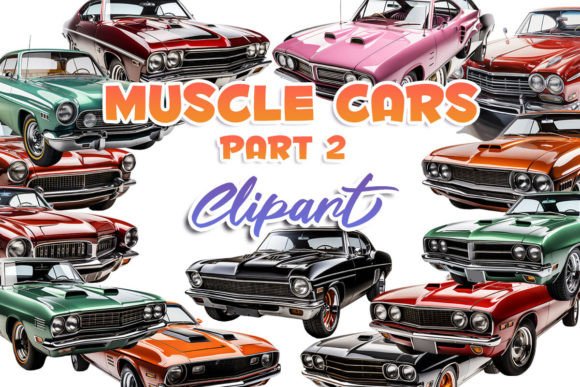
There is a specific kind of nostalgia attached to the rumble of a V8 engine and the gleam of chrome bumpers under the afternoon sun. Muscle Cars Part 2 is a design collection that doesn’t just reference that era—it lives in it. This isn't about generic vectors; it is a curated assembly of retro and vintage car clipart that channels the rebellious spirit of the 70s and 80s. When you open this package, you aren't just looking at PNG files; you are looking at high-octane attitude.
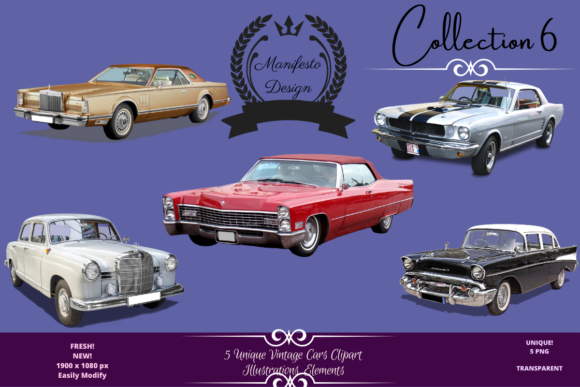
The visual language here is steeped in classic Americana. We are talking about the heavy hitters: the Camaros, the Mustangs, and the Chargers that defined a generation of speed. The style of these illustrations balances gritty realism with artistic flair, making them versatile for both digital overlays and standalone art prints. For designers, this collection serves as a bridge between modern digital precision and the analog warmth of vintage illustration. The appeal lies in the details—the reflection on the hood, the stance of the suspension, and the typography that usually accompanies these beasts.
Practical Applications for Modern Creatives
Understanding where to deploy Muscle Cars Part 2 is key to maximizing its value. This collection is built for versatility, specifically utilizing a transparent PNG format at a massive 3072x3072px resolution and 300ppi. This technical specification is crucial because it removes the background noise, allowing you to layer these assets seamlessly over any background, texture, or color palette without worrying about awkward halos or jagged edges.
Print-on-Demand and Merchandise
If you operate in the print-on-demand space, the "coolness" factor of these graphics is a significant asset. Vintage aesthetics perform exceptionally well on merchandise because they evoke a sense of authenticity. Consider applying these illustrations to:
- Apparel: T-shirts, hoodies, and dad hats benefit from the rock n' roll aesthetic of these muscle cars.
- Drinkware: Coffee mugs and tumblers are ideal canvases for the detailed, high-contrast nature of these car illustrations.
- Stickers and Decals: The transparent background makes die-cut sticker creation a breeze.
The sublimation art aspect means these images are optimized for heat transfer processes, ensuring that the ink bonds correctly with the fabric or substrate, preserving the depth of the shadows and the vibrancy of the colors.
Digital Branding and Web Design
For entrepreneurs and brand strategists, visual identity is about differentiation. If your brand personality is bold, nostalgic, or masculine, Muscle Cars Part 2 can anchor your visual storytelling. You don't need to be an automotive shop to use car imagery; it works for marketing agencies wanting to project "drive," fitness brands promoting "power," or music blogs covering classic rock.
On the web, these high-resolution assets can be cropped creatively. You don't always have to show the whole car. A close-up of the grille or the wheel can serve as a powerful background texture for a hero section on a website, adding depth without overwhelming the text. This approach helps in establishing a unique visual hierarchy where the imagery supports the message rather than distracting from it.
Editorial and Publishing
Bloggers and content creators often struggle to find stock imagery that feels genuine. Generic stock photos of cars often feel sterile. These retro illustrations offer a stylistic alternative. They are perfect for blog headers, featured images for articles about history or culture, and even as spot illustrations within a magazine layout. The "retro" vibe implies a story, inviting the reader to engage with the content on a deeper emotional level.
Design Strategy and Visual Hierarchy
Integrating Muscle Cars Part 2 into a project requires a thoughtful approach to typography and layout. Because these illustrations are visually dense and rich in detail, they have a strong personality. This influences how you handle the rest of your design assets.
Font Pairing and Typography
When working with retro car clipart, your typography choices are critical. You want to avoid clashing styles. Here is a practical approach to pairing:
- The Headers: To match the energy of the muscle cars, consider using a bold display font or a slab serif. These typefaces have the weight to stand up to the visual heaviness of the illustrations. A distressed script font can also work well for a more authentic, garage-style logo design.
- The Body Copy: Contrast is essential for readability. If your imagery and headers are "loud," your body text should be calm. A clean sans serif font or a modern serif font ensures that your message is legible. Do not use a handwritten font for long paragraphs; it creates visual fatigue.
Using Muscle Cars Part 2 effectively means letting the image be the hero. If the car is the focal point, ensure your text has plenty of breathing room. Use negative space to separate the high-contrast illustration from the message.
Consistency and Brand Perception
Consistency builds recognition. If you decide to use this collection for a campaign, commit to the aesthetic. If you are using the vintage car clipart for a product launch, carry that retro vibe through to your social media graphics, your email headers, and your packaging design. This cohesion signals professionalism. It tells your audience that you have a clear vision and that you value the details.
The "attitude" of these cars can significantly influence brand perception. They suggest reliability, classic style, and power. However, ensure this aligns with your actual product or service. A mismatch between a rugged visual style and a delicate product can confuse the audience.
Technical Evaluation and Final Recommendations
Before finalizing your designs, a rigorous evaluation of the assets is necessary. The specifications of Muscle Cars Part 2—specifically the 300ppi and high resolution—make them suitable for large format printing, such as wall art or posters.
Testing and Workflow
Because these are sublimation-ready files, they are designed to handle heat and color saturation well. However, always test print a small section if you are doing a large batch run. Check for color fidelity; retro designs often rely on specific color tones (like burnt orange or teal) that need to be accurate to maintain the vintage feel.
When incorporating these into web design, remember that while the files are high-res, they will need to be optimized for load times. Use modern compression formats (like WebP) to maintain the quality of the Muscle Cars Part 2 illustrations without slowing down your site speed.
Commercial Licensing and Usage
As a creative professional or business owner, you must always verify the licensing terms. Most premium clipart collections like this are intended for end products (like a t-shirt or a poster) rather than for resale of the digital files themselves. Ensure your usage rights cover your intended application, whether it is for a client's brand identity or your own merchandise store. Understanding these boundaries protects your business and ensures you are using the design assets ethically.
Ultimately, Muscle Cars Part 2 is more than just a set of images; it is a toolkit for storytelling. It offers a way to inject energy, history, and style into projects that might otherwise feel flat. By leveraging the transparent PNGs, respecting the retro aesthetic, and pairing them with complementary typography, you can create designs that resonate with audiences who appreciate the classics. Whether you are designing wall art for a garage or social media graphics for a lifestyle brand, these assets provide the raw material for high-impact creative work.